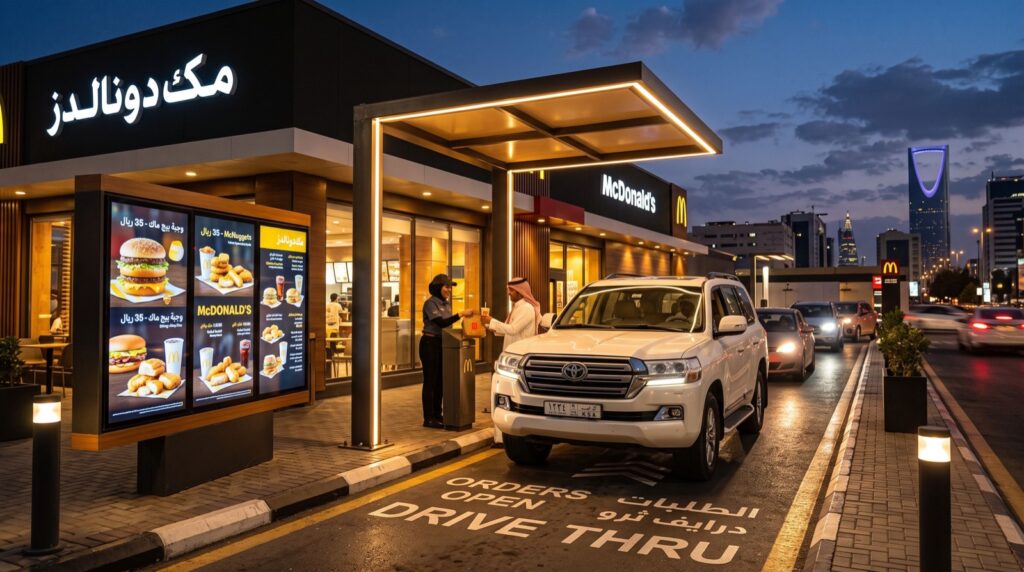
HME Drive Thru in Saudi Arabia: 2026 Buyer Guide
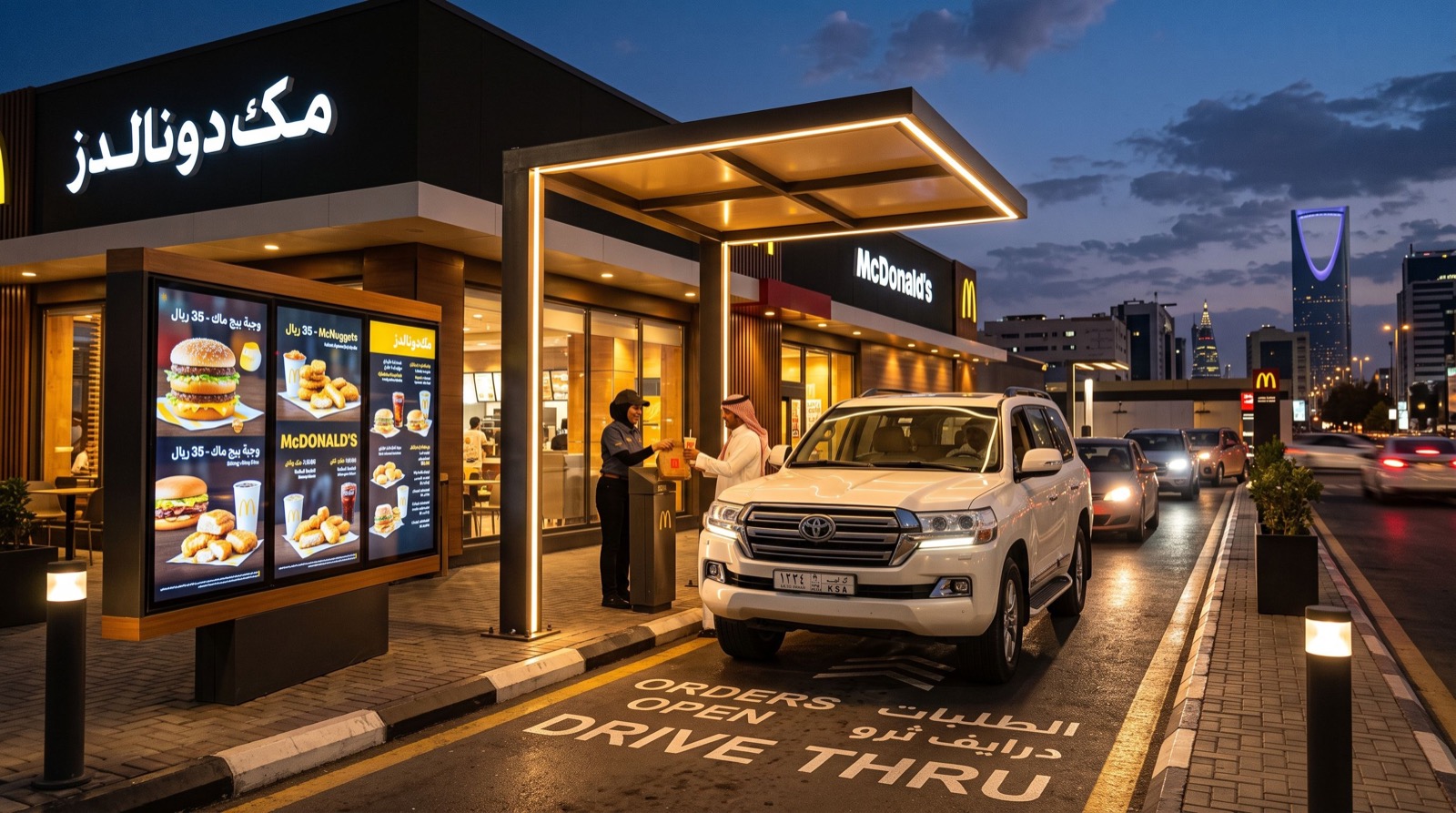
Speed of service defines the modern quick-service restaurant, and an HME drive thru system sits at the heart of that speed. In Saudi Arabia, where drive-thru culture is booming across coffee chains, burger brands, and pharmacies, the right communication and timer hardware can be the difference between a smooth lane and a jammed one. This 2026 buyer guide explains how these systems work, what they cost to run, and how to choose the setup that fits your outlet.
We will keep it practical, covering headsets, timers, order confirmation, and the identity hardware that increasingly supports secure staff and payment workflows.
What an HME Drive Thru System Actually Includes
An HME drive thru platform is more than a headset. It bundles clear two-way audio, lane detection, order-timing analytics, and often a digital menu confirmation board. Together these components let a crew take orders accurately, measure every second of service, and coach performance based on real numbers.
HME is a long-established industry manufacturer, and its official product documentation details how modern systems combine wireless audio with cloud reporting. That reporting is the secret weapon: it turns lane speed into a manageable KPI instead of a guess.
Core components at a glance
- Wireless headsets: lightweight, noise-cancelling audio for order takers.
- Base station: manages channels, greetings, and vehicle detection.
- Timer system: tracks each stage of the lane in real time.
- Order confirmation board: shows the customer their order to cut errors.
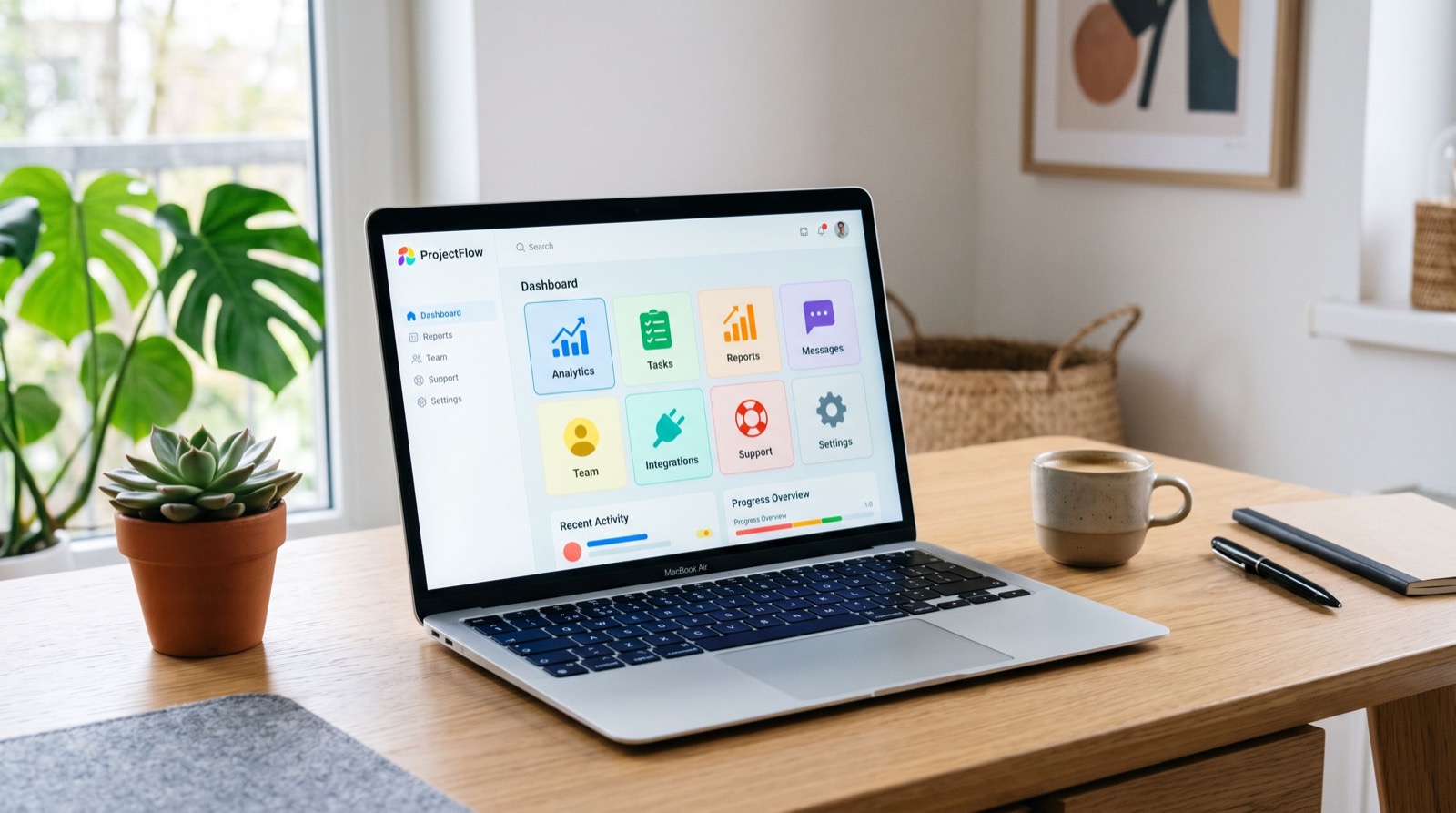
- Analytics dashboard: reports speed of service across dayparts.
For a fully supported installation, many operators rely on a specialist HME drive thru in saudi arabia partner to handle setup, tuning, and staff training.
Why Does Drive Thru Speed Matter So Much?
Drive-thru revenue often accounts for the majority of a quick-service outlet’s sales, so every second counts. Faster, more accurate lanes mean more cars served per hour, higher customer satisfaction, and fewer remakes. Industry reporting by QSR Magazine consistently shows that speed of service and order accuracy rank among the top drivers of drive-thru loyalty.
Here is how an HME system improves each stage of the lane:
- Vehicle detection triggers an instant, consistent greeting.
- Clear audio reduces mishears, so orders are right the first time.
- Confirmation boards let customers verify items before paying.
- Stage timers reveal exactly where cars slow down.
- Dashboards let managers set targets and reward improvements.
Securing Staff and Payments with Fingerprint Devices
Drive-thru operations also need secure clock-in and payment authorisation, which is where biometric hardware fits. Many operators add fingerprint readers to lock down POS access and staff attendance. If you are comparing Finger scanner devices prices in pakistan, remember that build quality and driver support matter more than the sticker price, because a failed reader at peak hour stalls the whole lane.
A certified scanner prevents buddy-punching, secures manager overrides, and creates an audit trail for cash handling. For high-volume outlets, that control pays for itself quickly.
Common biometric use cases in QSR
- Attendance: accurate clock-in and clock-out with no proxies.
- POS access: only authorised staff open tills or issue refunds.
- Manager overrides: approve voids and discounts securely.
- Safe access: restrict cash-room entry to verified users.
Comparing Drive Thru Setups by Outlet Size
The right configuration depends on your volume and number of lanes. Use the table below as a starting point.
| Feature | Single Lane | Dual Lane | High-Volume Multi-Site |
|---|---|---|---|
| Headsets | 2 to 4 | 4 to 8 | 8+ per site |
| Timer stages | Basic | Multi-stage | Full journey |
| Confirmation board | Optional | Recommended | Standard |
| Cloud analytics | Single site | Single site | Cross-site benchmarking |
| Biometric access | Optional | Recommended | Standard |
Practical Buying Tips for 2026
Before you buy, walk your lane at peak and note where cars stall. That observation tells you whether you need better audio, more timers, or a confirmation board. Then match hardware to your busiest daypart, not your average one, because peak performance is what customers judge.
Insist on local support with fast headset repair and battery replacement, since downtime directly cuts revenue. Working with quality service providers ensures your system stays tuned and your staff stay trained through turnover.
Original insight: the cheapest efficiency gain we see is simply refreshing headset batteries on a schedule. Weak batteries cause quiet, garbled audio that leads to order errors, and operators often blame the crew when the fix is a five-minute swap.
How to Maintain Peak Lane Performance Year-Round
Buying the right system is only half the job; keeping it sharp is the other half. Drive-thru hardware lives in a demanding environment, with constant use, weather exposure, and staff turnover all working against reliability. A simple maintenance rhythm protects your investment and your speed of service through every season.
Begin with a weekly audio check on every headset, listening for static or dropouts that signal a failing battery or antenna. Rotate batteries on a fixed schedule rather than waiting for failures, because degraded audio quietly raises order errors long before a headset dies completely. Clean the base station and confirmation board regularly, since dust and glare both reduce clarity in bright Gulf conditions.
Training deserves equal attention. High staff turnover means new order takers arrive constantly, and each one needs coaching on clear speech, greeting timing, and how to read the confirmation screen. Pair fresh hires with experienced crew during their first peaks, and use your timer data to spot who needs extra support. A short monthly refresher keeps standards consistent and stops bad habits from spreading across the team.
Finally, review your analytics monthly with the whole team. Sharing lane times and accuracy scores turns abstract targets into a shared goal, and friendly competition between shifts often produces the biggest improvements of all.
Frequently Asked Questions
How long do HME drive thru headsets last per charge?
Quality wireless headsets typically run a full shift on a charge, and rotating spare batteries keeps a lane covered around the clock. Battery health fades over time, so a replacement schedule protects audio clarity and accuracy.
Can the timer data really improve speed of service?
Yes. Stage-by-stage timing shows exactly where cars slow, whether at the menu, the window, or payment. Managers who set visible targets against that data routinely trim seconds off each order.
Are fingerprint scanners worth adding to a drive thru?
For busy outlets, absolutely. Biometric clock-in and POS access stop time fraud, secure refunds, and create clean audit trails. Focus on certified, well-supported devices rather than the lowest price.
How quickly can a new system be installed?
A single-lane setup can often go live in a day once hardware is on site. Multi-site rollouts take longer for network setup and training, but a phased plan keeps every outlet trading throughout.
Conclusion
In 2026, an HME drive thru system is a core investment for any Saudi quick-service brand chasing speed, accuracy, and loyalty. Pair clear audio and timing analytics with secure biometric access, choose certified hardware, and lean on responsive local support. Do that, and your lane will serve more cars, make fewer mistakes, and keep customers coming back. Ready to upgrade? Map your peak lane today and build the setup that fits your outlet.