Frozen Storage in Saudi Arabia: The 2026 Playbook for Wholesalers and Retailers
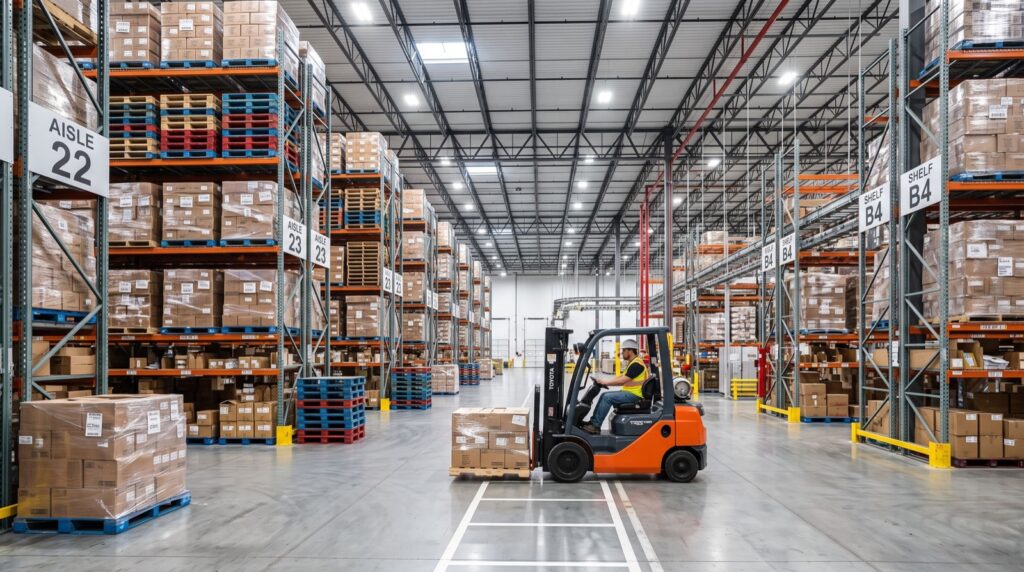
For any business that moves perishable goods at scale, cold capacity is not a luxury but the engine of the whole operation. Across the Kingdom, demand for reliable frozen storage in Saudi Arabia keeps climbing as retail chains expand and wholesalers serve more cities than ever. This 2026 playbook explains how distributors, supermarkets, and bulk suppliers can build a resilient cold-chain strategy that protects stock, controls cost, and scales with demand.
Saudi Arabia’s vast geography and extreme climate make cold logistics uniquely demanding. A national view, rather than a single-warehouse mindset, is what separates thriving distributors from those bleeding margin to spoilage.
Frozen Storage in Saudi Arabia: A National Network View
The Kingdom stretches across enormous distances, from the Red Sea coast to the Eastern Province. Moving frozen product between these hubs demands storage nodes that keep goods safe during every pause in transit.
Strategic Frozen Storage in Saudi Arabia positions inventory close to major population centers, cutting delivery times and reducing the risk of temperature excursions on long hauls. For wholesalers, that network becomes a competitive weapon as much as a safeguard.
Who Needs Frozen Storage the Most?
Cold capacity touches a wide range of businesses, but a few rely on it as their lifeblood:
- Food wholesalers distributing meat, poultry, and seafood in bulk
- Supermarket chains balancing central and regional stock
- Importers holding product between customs clearance and delivery
- Ice cream and dairy brands protecting deep-frozen lines
- Bulk vegetable and ready-meal suppliers serving caterers
Providers that specialize in Storage for Wholesalers and Retailers understand the volume swings and rapid turnover these sectors face, and they design space accordingly.
How Much Does Frozen Storage Cost in 2026?
Cost is the first question most operators ask, and the honest answer is that it depends on several levers. The table below shows the main factors that shape pricing.
| Cost driver | Impact | How to optimize |
|---|---|---|
| Temperature depth | Deeper freezing costs more energy | Match tier to product need |
| Volume and duration | Longer, larger holds cost more | Negotiate committed-volume rates |
| Location | Prime hubs command premiums | Balance proximity against price |
| Value-added services | Picking and packing add fees | Bundle only what you use |
| Season | Peak demand raises rates | Reserve capacity early |
Sharing space in a professionally run multi-client facility usually beats operating your own freezer, because you pay for the capacity you use rather than a fixed asset that sits idle in quiet months.
Scaling With Seasonal Demand
Retail and wholesale demand is rarely flat. Ramadan, national holidays, and summer travel all send perishable volumes swinging, and rigid storage arrangements crack under that pressure.
Build flexibility into your contract
Look for agreements that let you expand and contract capacity by the pallet. Flexible terms mean you never pay for empty freezers in the low season or scramble for space at the peak.
Forecast and reserve early
Book additional capacity ahead of known demand spikes. Operators reward planning with better rates and guaranteed space when everyone else is competing for the same shelves.
Technology, Traceability, and Compliance
Modern cold storage is a data operation as much as a physical one. Continuous monitoring and digital records now sit at the core of any credible facility.
The Food and Agriculture Organization of the United Nations stresses that strong cold chains cut post-harvest losses and improve food security. Its guidance, available through the Food and Agriculture Organization, underlines why traceability matters for every link in the chain.
What good traceability looks like
Expect barcode or RFID tracking, continuous temperature logs, and clear batch records. This transparency protects you during recalls and reassures the retailers you supply.
Inventory Strategy for Multi-City Distribution
Serving several regions from a single warehouse invites long, risky journeys. A smarter approach spreads inventory across strategic nodes so product sits closer to where it sells.
Central plus regional buffers
Hold the bulk of slow-moving stock in a central hub, then keep fast-moving lines in smaller regional freezers. This hub-and-spoke model shortens final delivery, reduces excursions, and keeps shelves stocked during sudden demand.
Match stock depth to turnover
Not every product deserves deep stock everywhere. Analyze sales by region and weight your holdings toward what each market actually buys, freeing capital tied up in slow inventory.
Reducing Waste Across the Cold Chain
Spoilage is the silent tax on every perishable business. Tightening a few habits recovers margin that would otherwise melt away.
- Enforce strict first-in, first-out rotation at every node
- Pre-cool transport before loading to avoid temperature spikes
- Consolidate deliveries to cut door-opening time
- Review temperature logs weekly to catch drifting equipment early
Small operational disciplines compound quickly. A distributor that shaves even a few percentage points off spoilage often turns that saving straight into profit.
Choosing a Partner Built for Scale
Wholesalers and retailers need a storage partner that grows with them rather than one they outgrow. Look for proven capacity, multi-zone chambers, and a track record with high-turnover accounts.
A dependable operator brings not just space but expertise in handling, compliance, and peak-season surges. That partnership is what lets frozen storage in Saudi Arabia become a platform for expansion instead of a bottleneck.
Frequently Asked Questions
Should a wholesaler build or rent frozen storage?
Most benefit from renting shared capacity, which converts a heavy fixed cost into a flexible variable one. Building makes sense only at very large, stable volumes with predictable demand.
How do I avoid spoilage during long-distance transport?
Use storage nodes positioned along your routes and pre-cooled reefer transport. Minimizing the time and distance between controlled environments is the single best defense against loss.
Can frozen and chilled goods share one facility?
Yes. Multi-zone facilities run separate chambers so you can hold deep-frozen, frozen, and chilled inventory together while each product stays at its correct temperature.
How early should I reserve peak-season capacity?
Aim to book at least one to two months ahead of major spikes like Ramadan. Early reservations lock in both space and better pricing before demand tightens the market.
Conclusion
Building smart frozen storage in Saudi Arabia gives wholesalers and retailers a resilient backbone for 2026 and beyond. A national network, flexible contracts, and strong traceability turn cold capacity from a cost center into a growth advantage that protects every pallet you move.
Ready to scale without the spoilage? Speak with reputable reputable service experts and design a cold-chain strategy built for your volumes and your customers.